
Besides being a 1982 hit song by the Clash, “Should I Stay or Should I Go” is a question you’ll have to ask yourself after you, not if, experience a natural disaster. (Wildfires, Earthquakes, floods, Tornados, Hurricanes).
The fight-or-flight response is an automatic, survival-based reaction to perceived danger, triggering a rapid release of adrenaline and cortisol, which causes increased heart rate, blood pressure, sharpened senses, and muscle tension. After you experience a natural disaster and have survived, that’s how you’ll feel; heart pounding, rapid breathing, in a state of shock, the smell of smoke, trying to comprehend what just happened. Why you need to have a plan and be prepared ahead of time. Less to worry about and no panic running around.
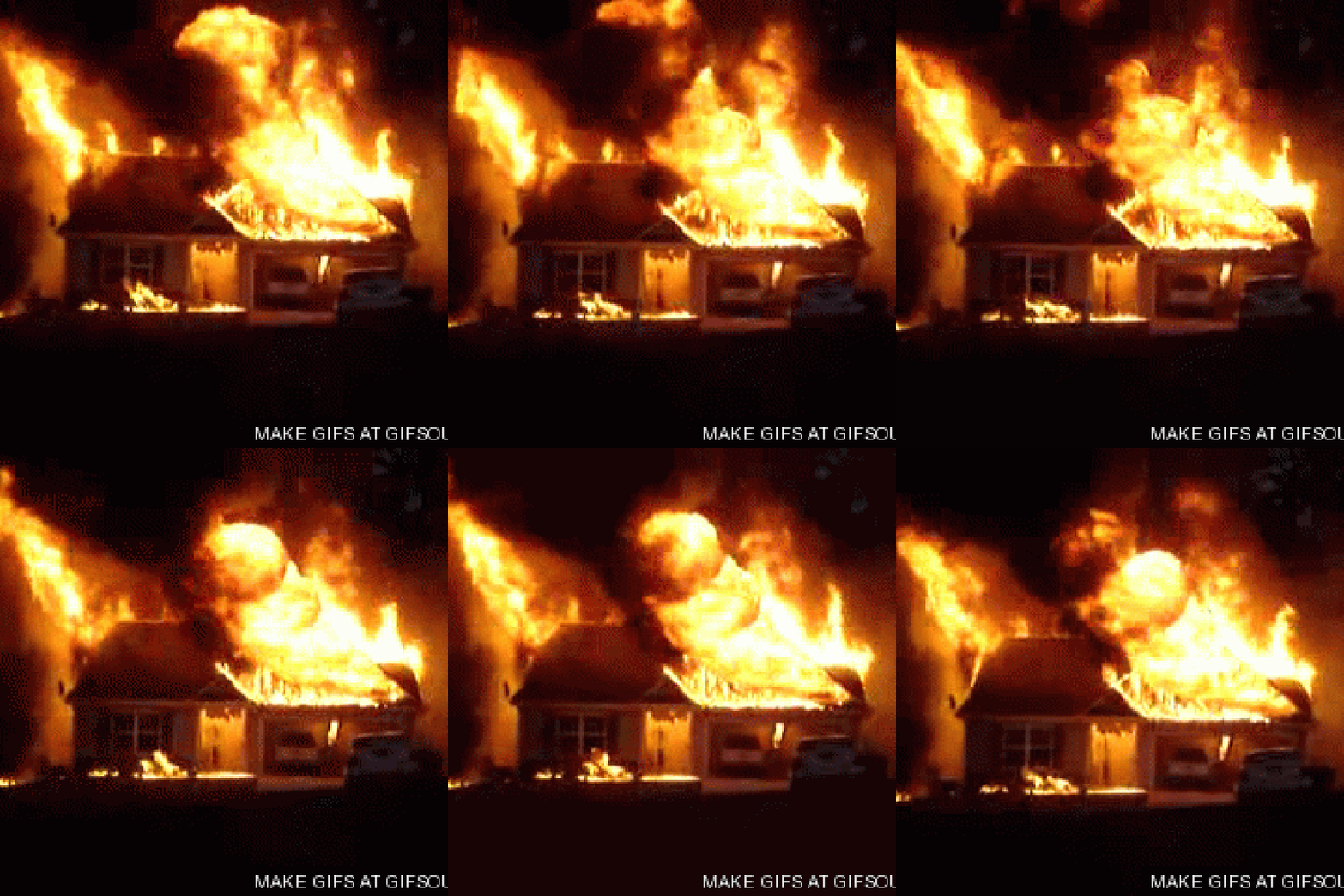
SHOULD I GO – If the natural disaster is a wildfire or flood, depending on how close and how fast it’s moving, you should first receive an Evacuation Warning. This is the local city or county officials alerting you to the fact you may have to evacuate your residence any time soon. If I have to leave I know I have family North of me in Sacramento and south of me in San Jose. When it is time to go, depending on the location of the fire/flood I’m going to grab my prepared TO GO BAG and head out.
Personally, I’m not waiting for the Evacuation Order. I’m gone as soon as the warning is issued and if you have individuals in your group who are handicapped please don’t wait for the official order, leave on the warning. It’ll be chaotic and you may not get the help you need to evacuate in a timely manner. Even if you have a preplanned destination for your evacuation, make sure to at least have that to go bag with you. It could be hours before you get to your destination. You may have the option to go too an evacuation center, try to make this your last choice as your privacy there is limited. Even staying with family for a few days is preferable to a shelter.
TO GO BAG can be a backpack or small suitcase on wheels and should contain:
Important documents/passports/other valuables, 3 days of water and food. A change of clothing for a few days, blankets and warm clothes. Flashlights, batteries, chargers, solar/hand-crank radio, wet wipes, large plastic bags, 3 – 7 day supply of your life-saving medications as well as copies of prescriptions, extra pair of eye glasses, hearing aid charger or batteries and first aid/medical kit, including pain reliever, 3 pairs of medical gloves. Also include an N95 and/or Cloth Mask and hand sanitizer.

SHOULD I STAY – However in the event of an Earthquake, the authorities would prefer you stay where you are, if you can. The damage to local and surrounding infrastructure may include collapsed overpasses, toppled street lamps and power lines, water main and gas breaks as well as other debris that will make roads impassable and dangerous. In addition, the police and fire departments will be responding to the most seriously affected areas of the city while also controlling traffic throughout the city for the safe passage of those emergency vehicles during the aftermath of the chaos.
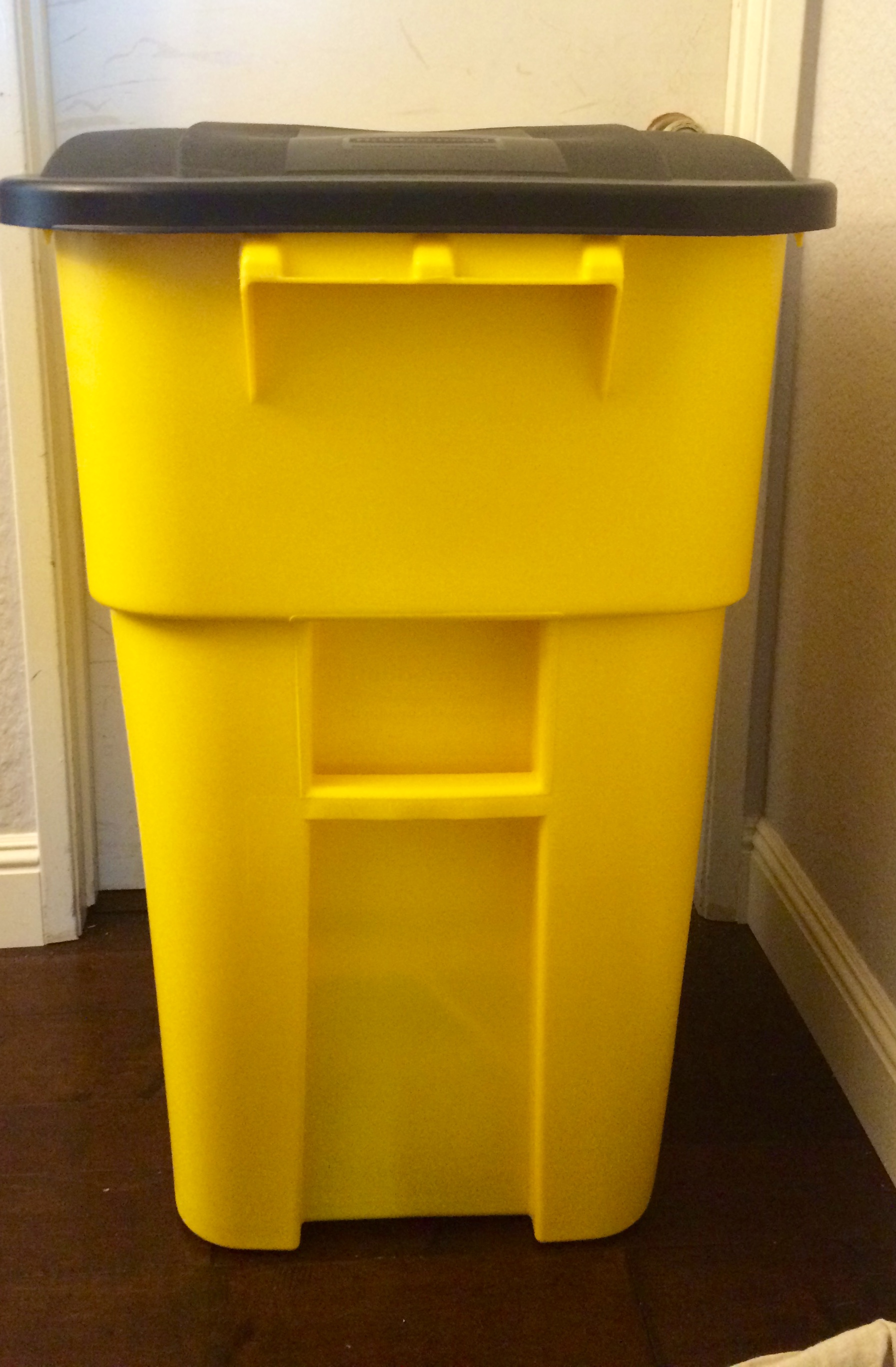
So after checking your abode to make sure it is structurally safe to stay in, and there is no smell of gas you can stay put however you may not have water or power. That’s when your Emergency survival kit comes in. In your kit you should have for you and pets:
WATER – Plan on 1 gallon per person per day for 10-14 days.
FOOD – Plan on enough for the number of people in your group for 10-14 days. Combination of canned, freeze dried, meals for one and don’t forget snacks.
RADIO/CHARGER/BATTERIES/FLASHLIGHTS – Keep Candles and matches/firestarter for outdoor cooking. Don’t use candles until you know the area is free of leaking gas or other combustibles and never leave candles unattended.
First aid kit/non-latex gloves – You don’t know how long before the Calvary arrives. You may need to do some basic first aid.
Latrine outhouse
Sleeping bags/ tents/Blankets/warm clothes
What ever you choose to do, make sure to have a plan, because YOYO (Your On Your Own), especially if you have a handicap. I have gone through several cities evacuation plans and there is nothing on helping people with a handicap. The police/authorities will show you to the evacuation route, that’s it! They may do a door to door but it depends on what is going on during the first few hours of the disaster. That’s why I stress leaving at the Warning stage. Always follow the instructions of law enforcement and firefighters. During an evacuation is not a time to argue with them or be a jerk. Cooperation gets everyone to safety in an expedited manner.
Need more info? Go to your local city and/or county website for their plans and suggestions. You can find more info on this blog as well. Be safe.




Leave a Reply